Mould and Humidity Cleaning Tips for Queensland Homes
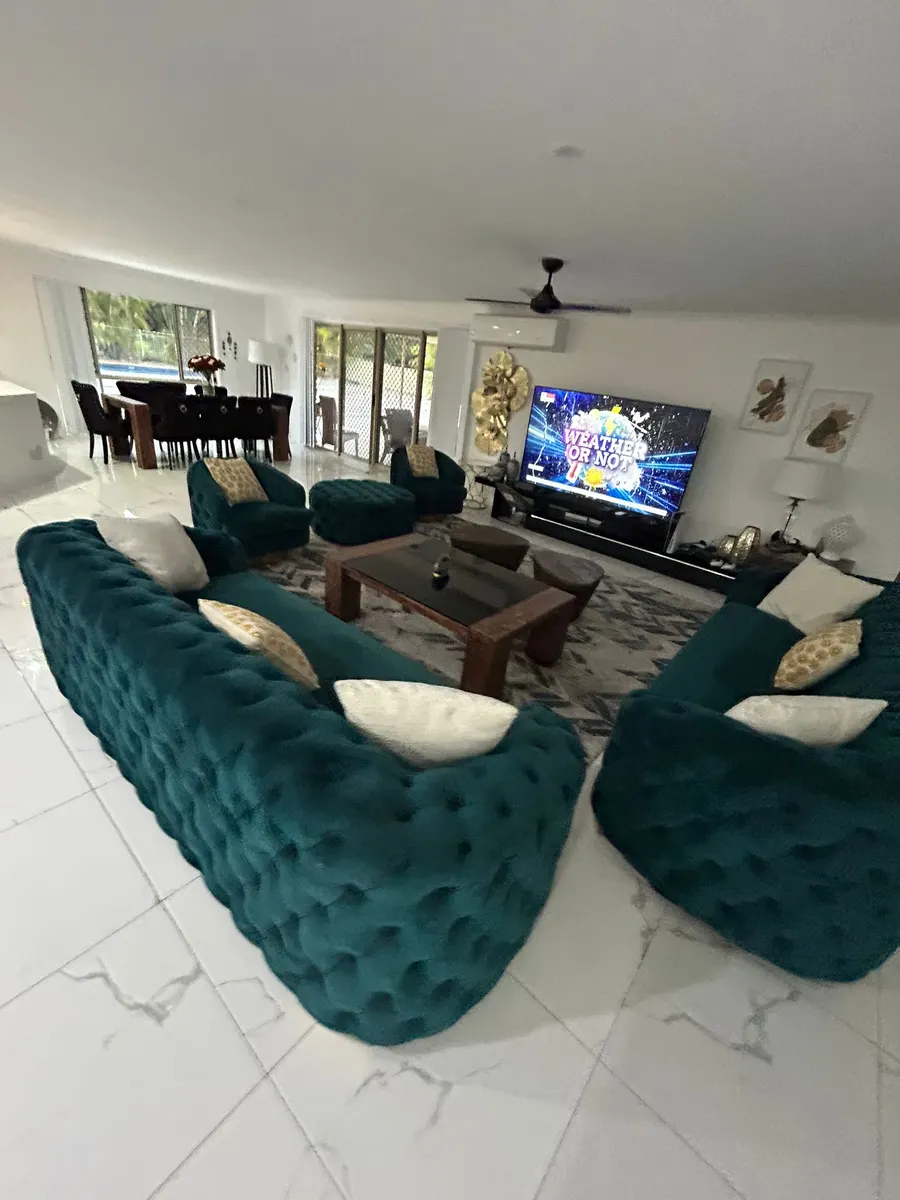
Queensland's climate is one of the great selling points of living here — warm, sunny, and generally brilliant. But the flip side of that subtropical warmth is persistent humidity, particularly from November through to April, and what humidity does to homes when ventilation isn't up to scratch. Mould doesn't need much of an invitation: a bathroom that doesn't dry out properly, a bedroom wardrobe with limited airflow, or a laundry that holds moisture — and it moves in fast.
Here's a practical guide to understanding why mould is such a common problem in Queensland homes and, more importantly, what you can do about it.
Why Queensland Homes Are Prone to Mould
Mould thrives in warm, humid environments with limited air circulation. Queensland delivers two of those three conditions in abundance for roughly half the year. During the summer wet season — typically December through March — relative humidity across Brisbane, the Gold Coast, and the Sunshine Coast regularly sits above 75%, with indoor humidity often higher in homes without adequate ventilation or air conditioning.
Several factors compound the problem:
- Older Queenslander-style homes were designed for airflow through louvres and elevated floors — but many have been renovated in ways that inadvertently reduced cross-ventilation
- Modern apartments and townhouses often have single-aspect layouts or rely entirely on mechanical ventilation, which fails when exhaust fans aren't used consistently
- Air conditioning reduces indoor humidity but creates cold surfaces — particularly around air con vents — where condensation and mould can form on ceilings
- Long wet seasons mean homes stay damp for extended periods, and mould that forms quickly becomes established if not treated
Where Mould Typically Grows in QLD Homes
If you know where to look, you'll catch it before it becomes a serious problem. The most common locations:
- Bathroom grout lines — the number one location; grout stays damp and provides the organic matter mould feeds on
- Shower screens — particularly the bottom rail and silicone seal where water pools
- Ceiling corners in bathrooms — warm, steamy air rises and condenses here
- Window tracks — condensation collects in the channels and doesn't evaporate easily
- Under-sink cabinets — slow leaks or simply the damp environment under a sink creates ideal conditions
- Bedroom and built-in wardrobes — particularly those on external walls or in corners with limited airflow
- Laundry walls and ceiling — where steam from hot washing accumulates without proper extraction
- Behind large furniture placed against external walls — the wall surface behind can hold moisture
How to Remove Mould Safely
The instinct is to reach for bleach — and for hard, non-porous surfaces like tiles or glass, diluted bleach (1 part bleach to 10 parts water) can be effective. But bleach has significant limitations:
- On porous surfaces like grout, unsealed timber, or painted walls, bleach lightens the surface stain but doesn't penetrate deeply enough to kill the mould at its roots
- It can damage painted surfaces, particularly if used repeatedly or at too high a concentration
- It produces fumes that are harmful in enclosed spaces without adequate ventilation
Better alternatives for many Queensland homes include white vinegar (undiluted, left to sit for at least an hour), commercial mould removal products specifically formulated for bathrooms, or hydrogen peroxide solutions. For painted walls and ceilings, a specialised mould killer that doesn't strip the paint is worth the investment.
Before you start: Open windows, run the exhaust fan, and wear a P2 respirator mask if cleaning significant mould growth. Avoid mixing cleaning products — bleach and vinegar together produce chlorine gas.
For large affected areas — anything larger than roughly a 30cm square on a wall or ceiling — professional mould remediation is the safer and more effective option. Disturbing large mould colonies without proper containment spreads spores throughout the home.
Preventing Mould in Queensland Homes
Prevention is far less effort — and far less expensive — than remediation. These habits make a real difference:
- Run bathroom exhaust fans properly. Run the fan during your shower and for at least 15-20 minutes afterwards. Many Queensland homes have fans that are technically functional but badly positioned or too weak for the room size.
- Open windows strategically. On days when outdoor humidity is lower than indoor humidity (typically clear, drier mornings), opening windows drives out indoor moisture. On the wettest summer days, keep windows closed and rely on air conditioning.
- Use a dehumidifier in problem areas. Portable dehumidifiers are particularly effective in bedrooms with wardrobes that show recurring mould, or in laundries without adequate extraction.
- Wipe down shower screens after use. A 30-second wipe with a squeegee after every shower dramatically reduces the moisture available for mould growth.
- Inspect regularly. Check under sinks, wardrobe interiors, and bathroom ceilings every few months — catching mould early makes treatment far simpler.
- Don't hang wet laundry indoors unless you have very good ventilation. Evaporating moisture from drying clothes significantly raises indoor humidity.
Mould in Rental Properties — A Brief Guide
This is a common source of confusion for Queensland tenants and landlords. The responsibility for mould in a rental property generally depends on its cause — though the answer isn't always straightforward and this is not legal advice.
As a practical guide:
- Mould caused by structural issues — inadequate waterproofing, roof leaks, plumbing faults, or poor building design — is generally the landlord's responsibility to address
- Mould caused by tenant behaviour — poor ventilation habits, not using exhaust fans, drying laundry indoors in an unventilated space — is generally the tenant's responsibility to manage
- When the cause is disputed, the RTA's dispute resolution process is available to both parties
If you're vacating a rental and there is mould present, it almost certainly needs to be addressed before your final inspection — particularly in bathrooms and on walls. Property managers will flag it, and it can impact your bond.
When Professional Cleaning Is Required
Some mould situations go beyond what DIY cleaning can reliably resolve. Consider calling a professional when:
- Mould is covering a significant area of wall or ceiling (larger than a standard piece of paper)
- The same area keeps getting mould despite regular cleaning — indicating the spores are established in the substrate
- You're preparing a property for sale or end of lease handover and need to guarantee it will pass inspection
- The mould is in a location you can't safely reach or adequately ventilate
- Anyone in the household has respiratory sensitivities or health conditions aggravated by mould
Our steam cleaning service is particularly effective for mould in grout lines and on bathroom surfaces — the high-temperature steam kills mould spores without harsh chemicals, making it a safe choice for homes with children or pets.
For ongoing home cleaning across Brisbane, Gold Coast, and the Sunshine Coast, see our house cleaning service and our steam cleaning service. For Brisbane-specific information, visit our Brisbane house cleaning page.

Need professional cleaners in South East Queensland?
Get a free quote on WhatsApp — tell us your suburb, property size, and what you need. We respond fast.
Get a Free Quote on WhatsApp